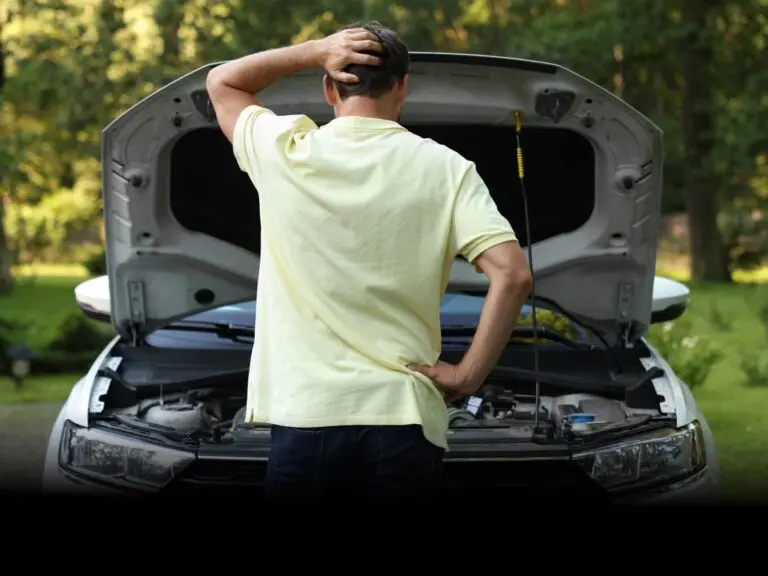
Most drivers think of car maintenance as something they can put off until a dashboard light comes on or a problem becomes impossible to ignore. But neglected maintenance is one of the hidden causes behind thousands of preventable accidents every year. Worn tires, weak brakes, and poor visibility can all turn a normal drive into a dangerous situation — especially on South Carolina’s hot, humid, and storm-prone roads.
If a driver’s failure to maintain their vehicle contributed in any way to a car accident, insurance companies may argue that the driver was partially at fault. This is called contributory negligence or comparative negligence, depending on the state.
Ignoring your car maintenance is not only unsafe for everyone on the road, but you may also get less compensation in an accident, even if it wasn’t your fault. Below are the maintenance tasks that drivers most often overlook, and how these can affect liability in the event of an accident.
Contents
1. Neglecting Tire Maintenance
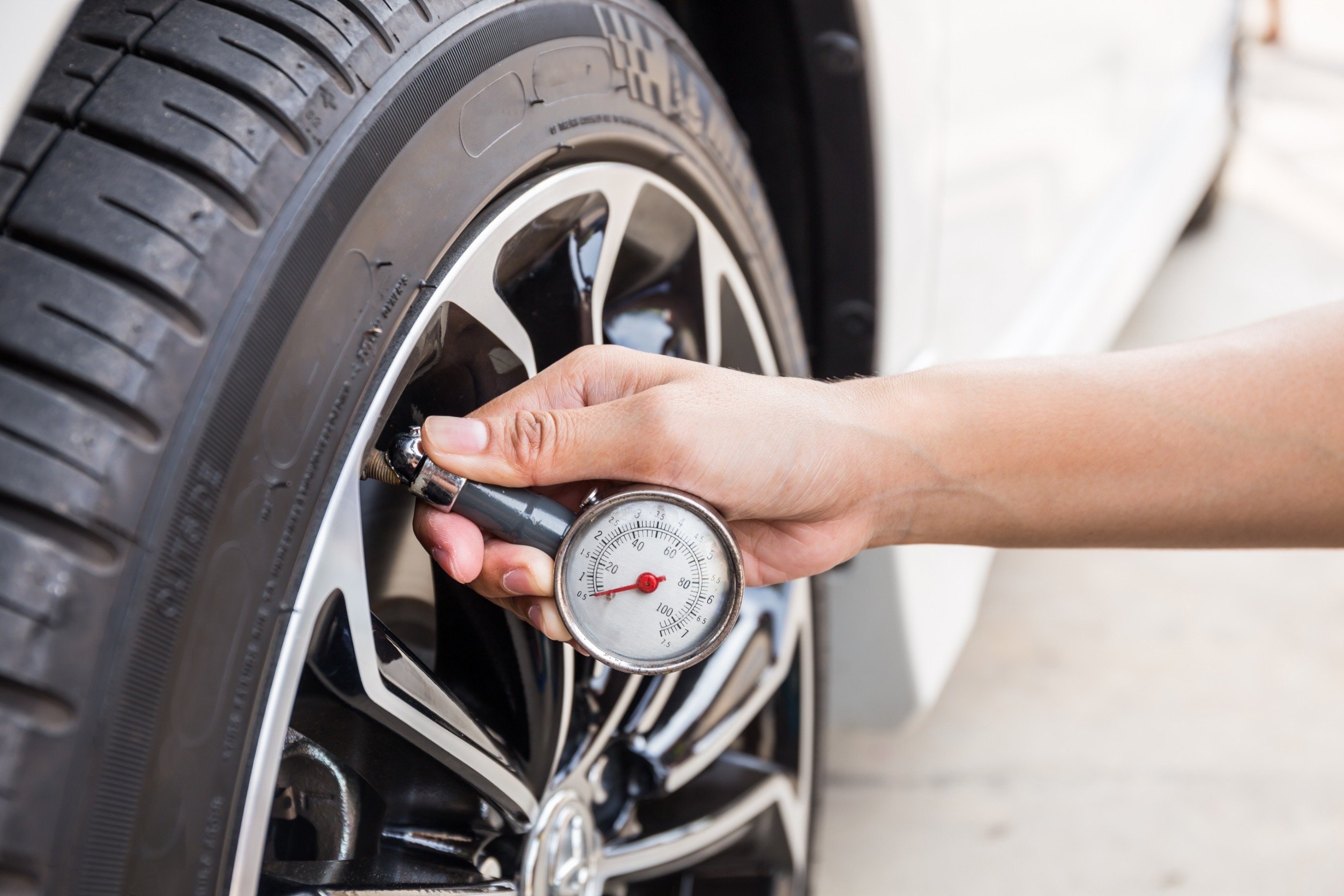
Tires are the only part of your vehicle that actually touches the road, yet they’re often forgotten. Underinflated tires reduce steering control, overinflated tires decrease traction, and worn tread dramatically increases the risk of hydroplaning in the rain. Check tire pressure monthly, rotate them regularly, and replace them when the tread wears down.
2. Ignoring Brake System Wear
Your brakes are your first line of defense in an emergency, but many drivers don’t replace brake pads or check brake fluid until they hear a grinding noise or feel vibration. By then, stopping distances may already be dangerously long. Routine brake inspections can catch thinning pads and worn rotors before they lead to a rear-end collision or intersection crash.
3. Skipping Oil Changes and Engine Maintenance
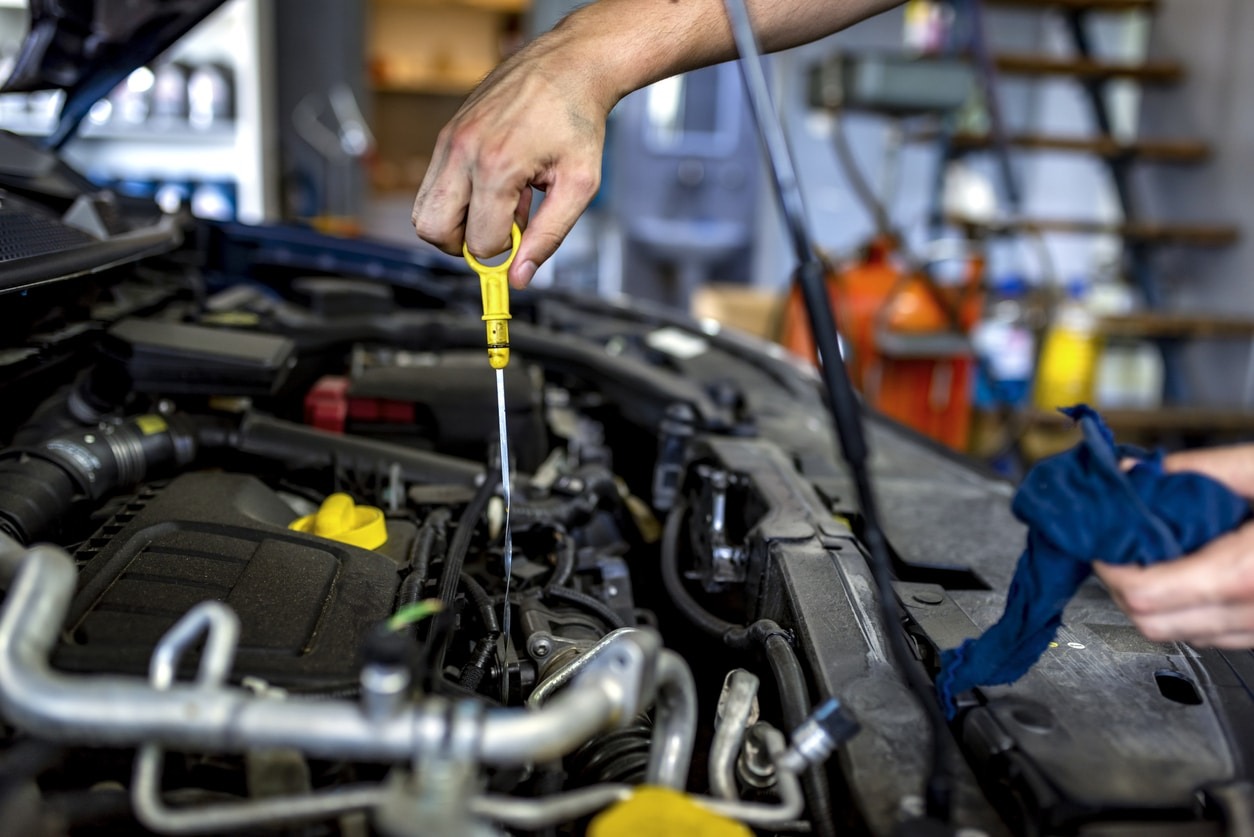
Delaying oil changes can cause the engine to run hot, stall, or fail at the worst possible moment, such as while merging or turning. Low or dirty oil reduces engine lubrication, which can cause sudden performance issues. Regular oil changes and engine checks help keep your vehicle running smoothly and prevent breakdowns in traffic, which can lead to accidents.
4. Not Replacing Windshield Wipers or Maintaining Visibility Systems
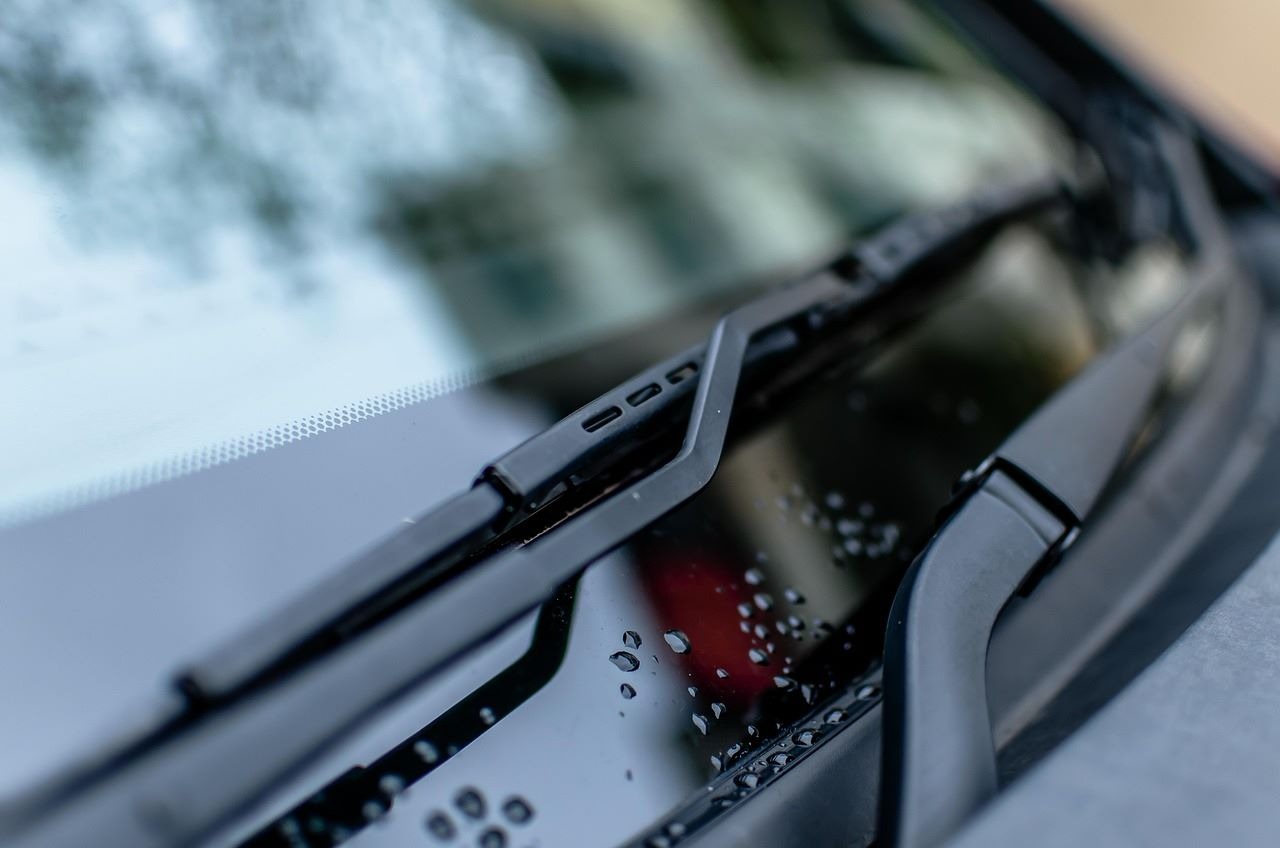
Visibility is vital, yet drivers often are in the middle of a downpour when they realize their wipers barely work. Old wiper blades leave streaks, cracked windshields create glare, and low washer fluid makes it impossible to clear dust or bugs. Maintaining clear visibility is essential for safe driving.
5. Neglecting Headlights, Brake Lights & Turn Signals
Headlights, brake lights, and turn signals are your communication tools on the road. When they fail, other drivers can’t see your vehicle or anticipate your next move. A single burnt-out brake light can cause a rear-end collision, and dim headlights make nighttime driving dangerous. A monthly walk-around check prevents accidents caused by lighting failures.
6. Failing to Check Fluids (Coolant, Transmission, Power Steering)
Low coolant can cause the engine to overheat and shut down in traffic. Low transmission fluid may lead to jerky acceleration, while power steering fluid issues can suddenly make the wheel difficult to turn. These fluid levels take just a few minutes to check, yet overlooking them can lead to sudden mechanical failures while driving.
7. Forgetting About Alignment and Suspension Problems
If your car drifts to one side, the steering wheel vibrates, or bumps feel unusually harsh, your alignment or suspension may be failing. Poor alignment reduces stability and makes emergency maneuvers harder, while weak suspension affects braking and steering control. Regular inspections help keep your vehicle tracking straight and responding the way it should.
Warning Signs Drivers Should Never Ignore
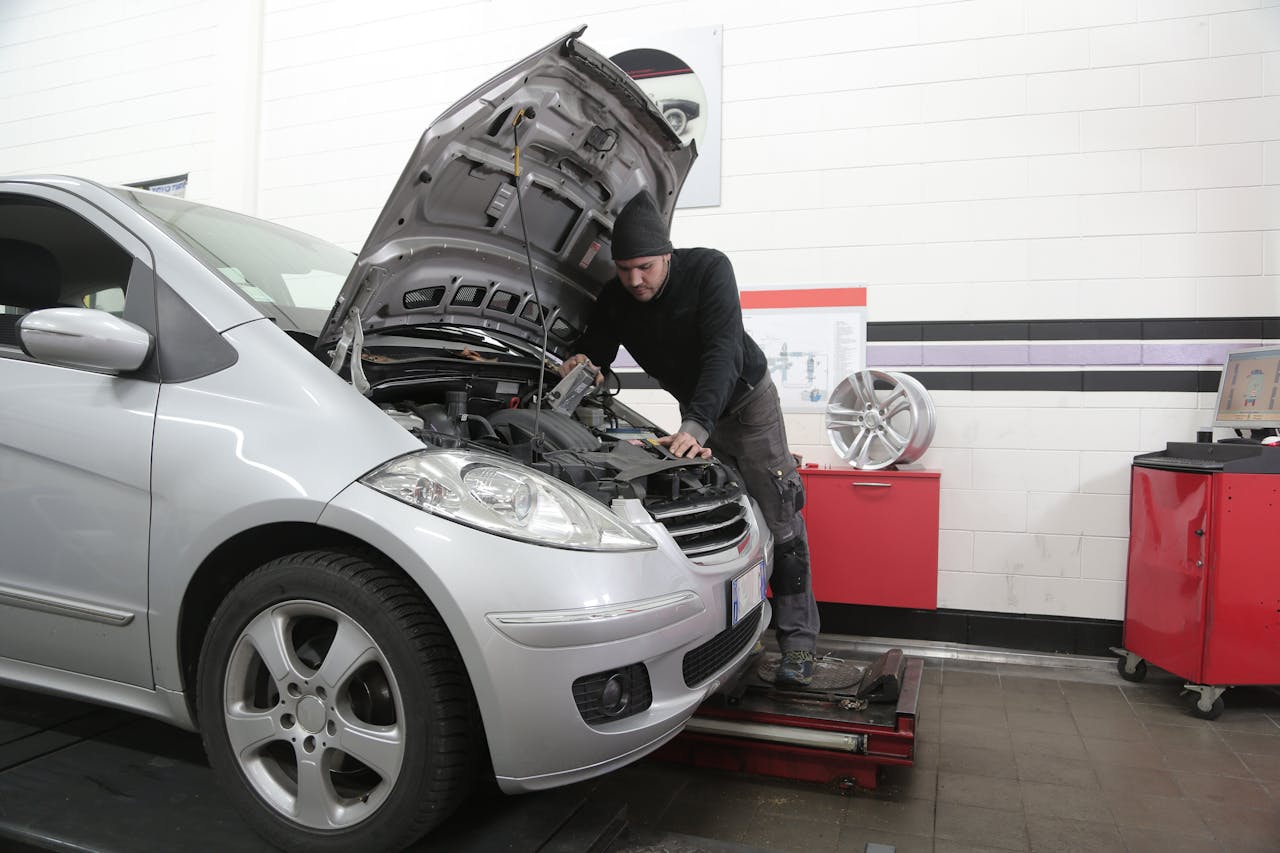
Even with regular maintenance, cars often give early warning signs that something isn’t right. Responding quickly to these warning signs helps prevent minor issues from turning into major hazards. Some of the biggest red flags include:
- Squealing or grinding brakes: This usually means your brake pads are worn, and your stopping power is already reduced.• Steering wheel vibration: Often caused by poor alignment, unbalanced tires, or suspension problems that can affect control.• Strange smells or smoke: Burning oil, leaking coolant, or smoking brakes can signal serious issues that could quickly escalate into a breakdown or fire hazard.• Difficulty starting the car: Could indicate battery, electrical, or engine problems that might cause stalling during a drive.
• Pulling to one side while braking: A dangerous sign of uneven braking or caliper problems that can cause loss of control.
How Maintenance Neglect Can Affect Liability in an Accident
Most drivers are unaware that failing to maintain their vehicle can affect who is considered at fault in a car accident. Even if another driver makes a mistake, your own maintenance neglect may be considered a contributing factor to the accident.
For example:
- Worn tires may reduce traction and make it easier to lose control, affecting how an insurer views your responsibility.• Faulty brake systems could increase your stopping distance, making it harder to argue you did everything possible to avoid a collision.• Burnt-out headlights or brake lights can make it difficult for others to see your vehicle, which may shift some liability onto you.• Ignoring critical repairs, such as steering issues or failing suspension, can be seen as knowingly operating an unsafe vehicle.
Insurance companies often look for any reason to minimize payouts. If they determine that poor maintenance played a role in the accident, they may reduce your compensation or deny portions of your claim. Keeping your car in good condition doesn’t just protect your safety — it helps protect your legal rights.
Car maintenance isn’t just a chore; it’s one of the most important ways to prevent car accidents and keep everyone on the road safe. Drivers can reduce crash risks and protect themselves from potential liability disputes after an accident by maintaining their car. A little attention now can save time, money, and stress later — and may even prevent a life-changing collision.