A small scratch may look harmless now. But that small scratch may collect grime, water, and dust if you do nothing or continue to ignore it.
It is easy to fix small damage on paint, especially when it is still fresh. A perfect Car Paint Touch Up may help seal all the exposed areas. In addition, it stops small marks from growing and improves the appearance of your car’s surface.
The key goal is not to rush repairs. Instead, the aim is to handle small scratches through the right steps. Here are simple ways to help you restore small scratches before they spread:
1. Why Small Scratches Deserve Fast Attention
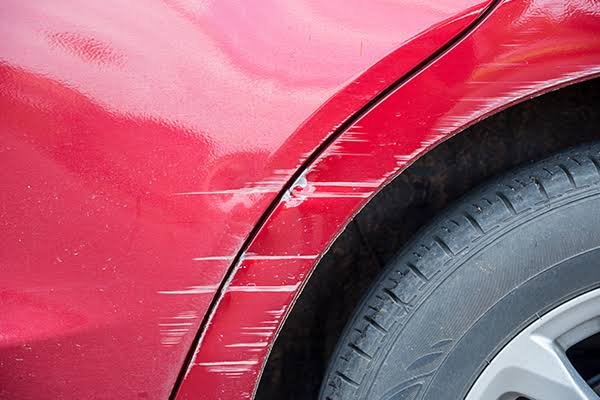
Scratches often spread because damaged areas become weak and are unable to handle the pressure or heat. Once the top coat breaks, moisture may creep under your paintwork and cause edges to lift. Road salt, dirt, sunlight, and washing will make marks wider over time.
Repairing them quickly and on time will save you money. Small surface scratches might only require a small amount of paint, cleaning, or polishing. Deep scratches left alone turn into a bigger body repair, peeling, or rust.
2. Check the Scratch before You Start
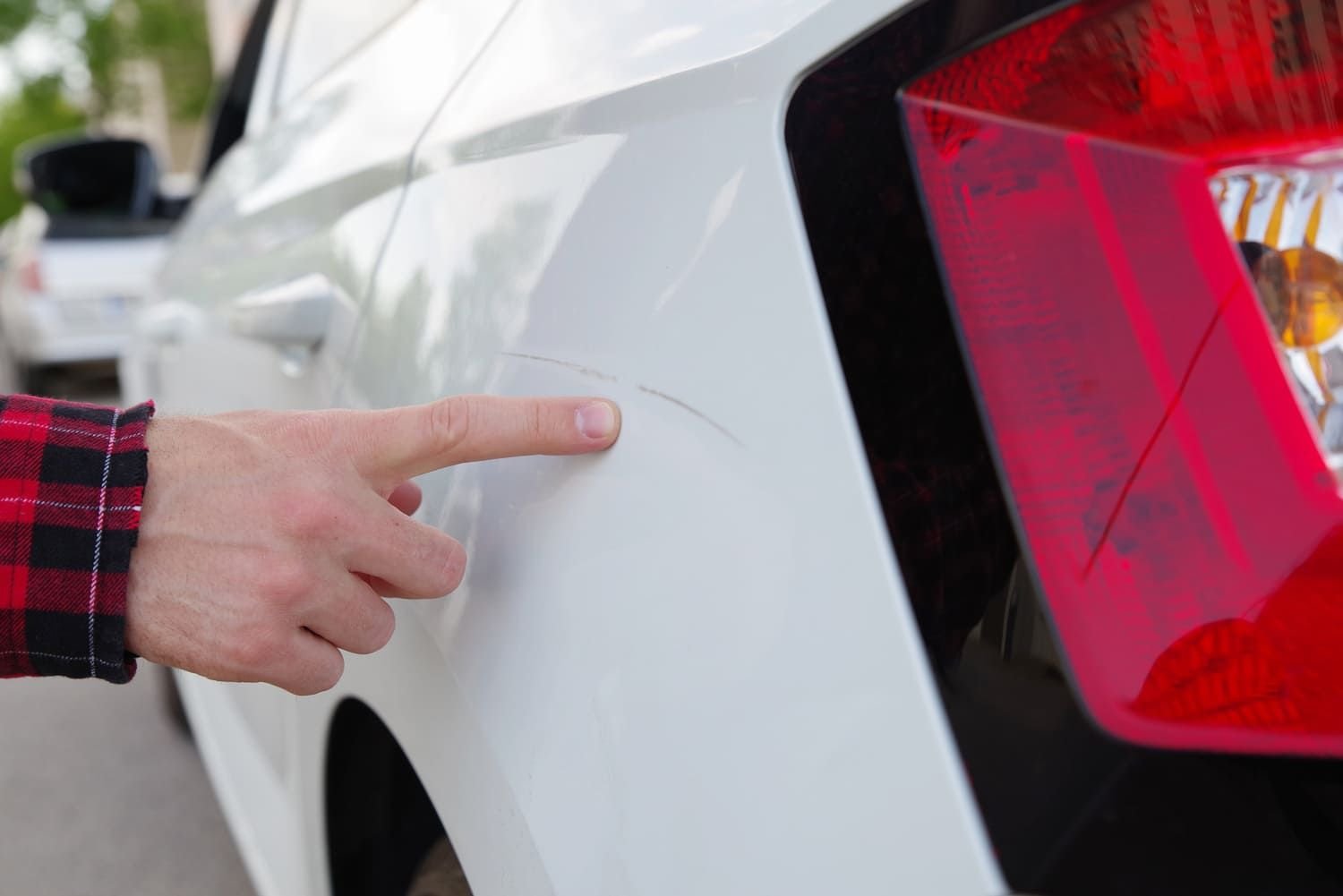
Gently run your clean fingernails across scratches. If your nails don’t catch, then the damage is in the clear coat. However, if they catch, then scratches might have reached the primer or paint.
In addition, you may check the color inside those scratches. A gray or white line might show primer. But a dark tone might mean the surface is already exposed. Such checks will help you determine the best repair method.
3. Wash the Area before Any Repair
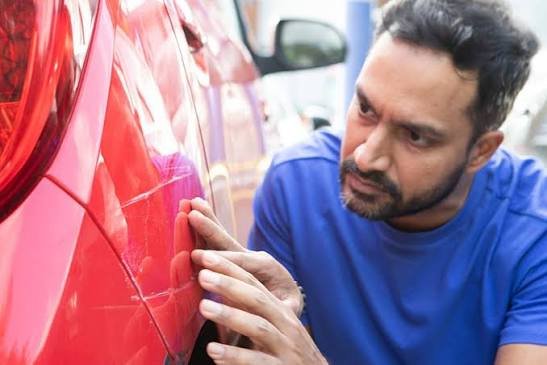
Don’t rub scratches before you wash those areas. Dust might act like sandpaper and even create some fine lines around those damaged areas. Use a soft towel, clean water, and mild soap to get rid of loose dirt.
Completely dry those areas before you inspect them again. Water may hide the depth of those scratches. Not to mention, it might make it look better than it actually is. Dry surfaces will let you determine whether the scratches need only cleaning, polish, or paint.
4. Try Polishing for Light Surface Marks
Usually, light scratches sit in clear coats. Those marks might look worse than they are. This is because they often scatter light across the affected surfaces. Polishing compound may smooth the edges. Plus, it might minimize the glare.
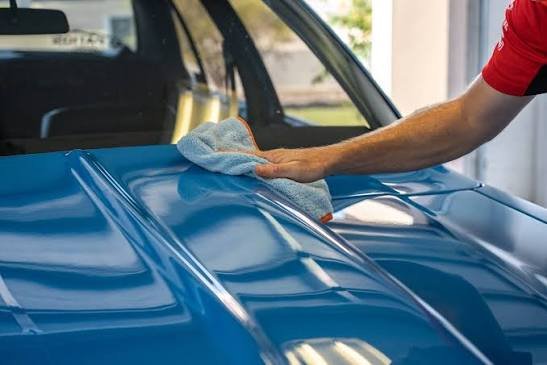
Apply this product with a very clear microfiber applicator. You can work in a small circle with light pressure. Then, consider wiping those areas using a fresh towel.
5. Use Touch-Up Paint for Deeper Scratches
If scratches have cut through color layers, polishing them alone won’t suffice. You have to replace missing paint to ensure exposed lines are sealed. Use the same paint code from your car’s label.
Remember to shake the paint properly. Also, apply it in several thin layers. A fine brush or toothpick will give more control than a brush inside a bottle. Let every layer dry first before you add another. This is because thick paint might leave raised blobs.
6. Add Clear Coat for Protection
Paint often fills the color. However, clear coat protects repairs. It adds a protective barrier against washing, water, and sun. This step is important, especially if scratches are too deep to expose primer or paint.
Consider applying a thin coat over dry touch-up paint. Remember to keep clear coat within repair areas and let it cure properly. Once it hardens, polish the edges lightly if the marks look uneven.
7. Do Not Skip Rust Prevention
Rust starts when bare metal is exposed to moisture and oxygen. Even scratches with a width of a hair may become an issue if they reach metal. That is why a deeper scratch needs sealing immediately, especially on lower panels, doors, and wheel arches.
If you spot brown or orange staining, ensure you carefully clean it before you cover it. A primer that inhibits rust can be helpful for exposed areas. Avoid painting over loose rust simply because it can keep on spreading under new layers.
8. Avoid Common Scratch Repair Mistakes
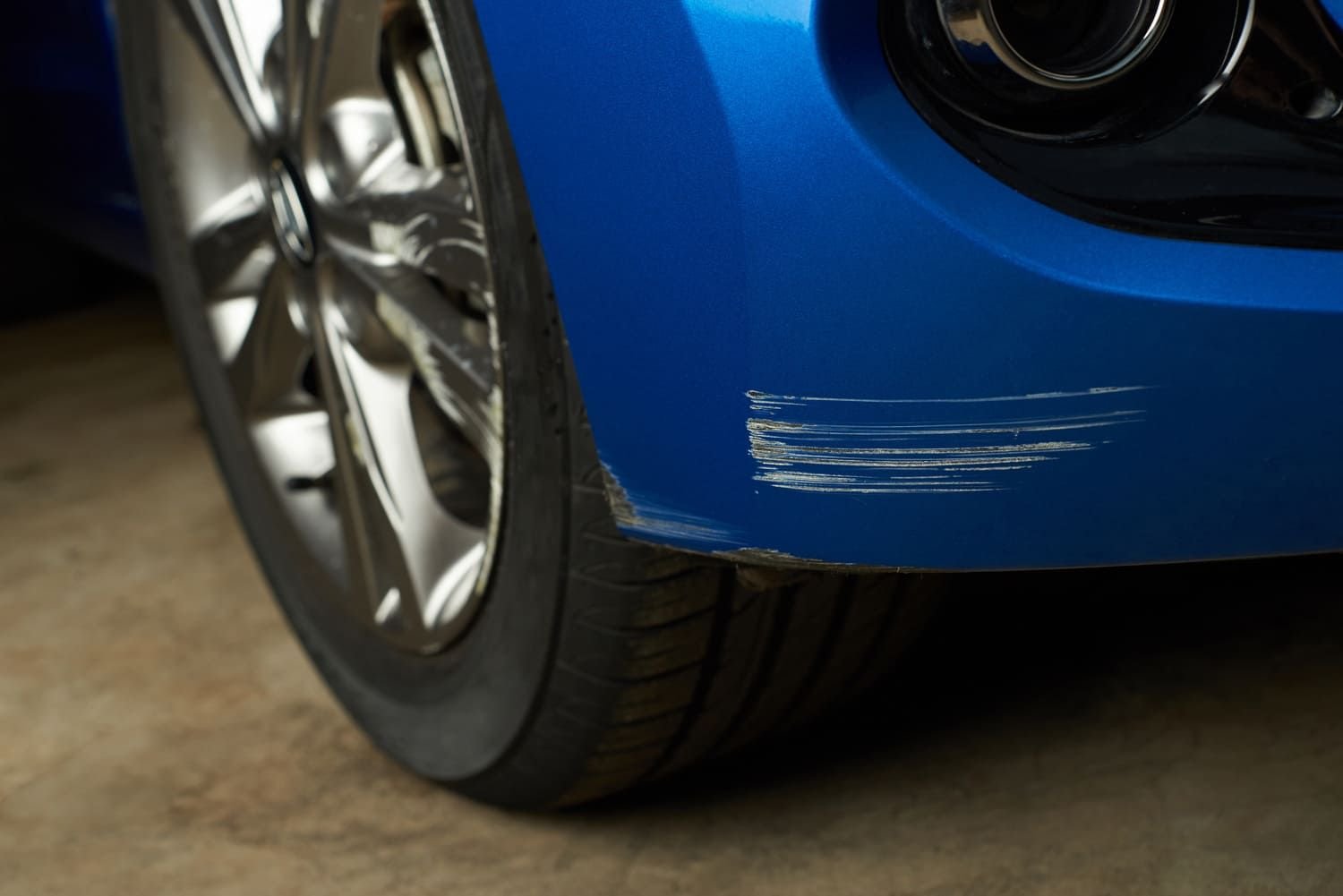
Most people make scratches worse. They do so by applying too much pressure. They try strong chemicals, scrub the surface, or use a dirty towel. Gentle steps will work better simply because paint layers are often thinner than they actually are.
Repairing in direct sunlight is another common mistake. Heat makes things dry quickly, which may leave rough streaks or haze paint. Always work in shade to ensure everything you paint has time to bond and spread well.
9. Protect the Area after Repair
Repaired scratches still require protection after they cure. Ceramic spray, wax, or sealant will help water slide off the car surface and minimize dirt buildup. So, wait until the clear coat and the paint dry completely before you add a layer of protection.
Wash your car using a soft material after repair. Avoid automatic washes using rough bristles, harsh sponges, and stiff brushes. The right steps will ensure repaired areas stay smooth.
10. Know When to Call a Professional
You can’t handle some scratches through home repairs. If lines are long, sit near peeling edges, or reach metal, an expert might give cleaner results. This is the case, too, if your paint is multi-stage, pearl, or matte.
An auto body shop will help you blend paint. Not to mention, it can level your car’s surface using the right tools. This will cost you more, but it will save you time and money in the long run if the damage is complex.
Also read: Keep your car in good condition
In conclusion, a small scratch is easier to restore, especially if you act quickly. Just start by cleaning the surface and choosing the right repair method. With this approach, you can protect the finish without even turning minor marks into major ones.
You don’t have to be a professional to deal with minor scratches. You just need the right tools and patience to handle them. By repairing scratches early, you ensure your car’s surface has a better and cleaner look.